Introduction
Dysphagia, or trouble ingesting, is a problem that impacts millions worldwide. It can bring about major health concerns, consisting of lack of nutrition, dehydration, and goal pneumonia. For caretakers, health care experts, and member of the family of people with dysphagia, understanding just how to provide reliable support and training is vital. This post delves into the transformative influence of dysphagia support and training programs on people' lives. By discovering numerous aspects of dysphagia care training, we intend to provide understandings into how reliable training can improve results for those influenced by this difficult condition.
Dysphagia Training for Carers: A Crucial Resource
Dysphagia training for carers is vital in outfitting them with the expertise and skills required to sustain individuals facing swallowing troubles.
Understanding Dysphagia
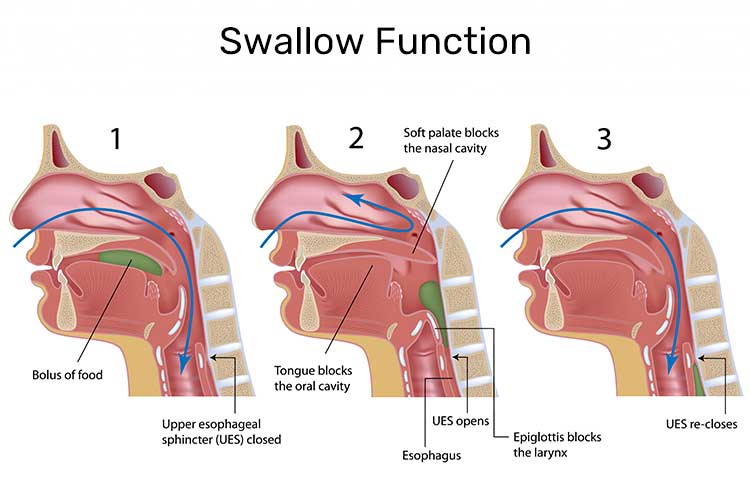
Before diving right into the specifics of training, it is vital to understand what dysphagia involves. Dysphagia can arise from different problems such as stroke, neurological conditions, or architectural problems in the throat or esophagus. Symptoms might include coughing throughout dishes, trouble chewing or swallowing food, and a feeling of food obtaining embeded the throat.
The Importance of Training
Training aids carers acknowledge symptoms and signs associated with dysphagia. Recognizing these nuances enables them to react promptly to problems and ensures much safer feeding practices.
Key Elements of Dysphagia Training for Carers
- Recognizing Symptoms: Training typically begins with just how to determine potential dysphagic symptoms effectively. Safe Feeding Techniques: Proper techniques can reduce choking risks. Dietary Modifications: Carers discover food consistency adjustments ideal for people with varying degrees of dysphagia.
By attending extensive dysphagia care training sessions, carers not only come to be extra certain yet likewise enhance their capability to provide high quality care.
Dysphagia Training for Care Team: Enhancing Group Competency
Dysphagia training for care staff is vital in institutional settings where several caregivers are involved in patient care.
Collaborative Approach
In a center setup, interaction amongst team is crucial. Educating motivates a collaborative method to attending to ingesting difficulties.
Developing Standard Protocols
Through reliable dysphagia training courses, groups discover standardized procedures that guarantee every personnel gives constant care.
Implementing Ideal Practices
Training concentrates on finest practices that are evidence-based. These techniques help reduce the risk of ambition and improve dietary consumption among clients undergoing treatment.
Dysphagia Treatment Training: A Comprehensive Overview
Dysphagia care training includes everything pertaining to taking care of patients with swallowing difficulties.
Multidisciplinary Approach
The participation of speech-language pathologists (SLPs), dietitians, nurses, and occupational therapists ensures that all facets of care are resolved holistically.
Assessment Techniques
Training covers numerous evaluation approaches used by dysphagia training courses experts to evaluate the seriousness of dysphagia in people accurately.

Creating Individualized Treatment Plans
Each individual requires a customized technique based on their certain requirements. Reliable training empowers caregivers to develop customized plans that deal with those needs holistically.
Dysphagia Training Training course: What You Need To Know
Enrolling in an organized dysphagia training course supplies a possibility for thorough learning.
Course Structure
Most courses include theoretical parts alongside practical demos. Individuals take part in role-playing circumstances that simulate real-life situations they might run into while looking after individuals with dysphagia.
Certification Opportunities
Many programs offer accreditation upon completion. This credential boosts caretaker trustworthiness while demonstrating dedication in the direction of boosting patient outcomes via specialized education.
Dysphagia Training for Registered nurses: Special Considerations
Nurses play an indispensable function in managing clients with dysphasia as a result of their straight involvement in everyday care routines.
Role-Specific Challenges
Nurses deal with distinct obstacles when dealing with ingesting concerns as a result of high patient tons and diverse degrees of understanding relating to dysphasia amongst nursing team member.
Advanced Analysis Skills
With specialized dysphasia nursing courses offered today-- registered nurses gain advanced abilities needed for proper assessments leading up in the direction of effective interventions customized especially towards their people' needs.

Frequently Asked Inquiries Concerning Dysphagia Support
What are common sources of dysphagia?
Common causes consist of neurological conditions (like stroke), head injuries, certain cancers influencing the throat or esophagus, or degenerative diseases like Parkinson's disease.
How can I identify if a person has dysphagia?
Signs might include coughing throughout dishes, taking longer than normal to consume or consume, avoiding particular foods due trouble ingesting them conveniently and even unexplained weight-loss in time due lack ample nourishment consumption resulting from trouble consuming properly!
What dietary changes could be recommended?
Depending on extent degree; enlarged liquids & & pureed diet plans are commonly suggested as they're easier/slower procedure when ingested compared regular liquids/solid foods which might pose choking risks instead!
How frequently needs to caretakers undertake refresher course courses?
Ideally every 1-2 years unless substantial updates emerge within guidelines/protocols surrounding Dysphaigia then added trainings may end up being needed faster rather than later!
Is there continuous support readily available after getting training?
Yes! Lots of companies offer continuous accessibility resources/materials post-training sessions making certain caregivers stay updated about brand-new growths surrounding monitoring approaches properly dealing with Dsyphaigia cases!
li9/ol1/##
Conclusion
Transforming Lives With Efficient Dysphagia Support and Training can not be overstated; investing time into appropriate education and learning equips providers-- whether specialist nurses/caregivers/family-- with tools essential ensuring safety/well-being people encountering obstacles stemming from this problem! As awareness grows around importance sustaining those identified-- more people will ultimately benefit leading much healthier lives filled less concern pertaining to mealtime experiences in advance!
Through organized programs focusing mostly on boosting ability via understanding intricacies included handling varying levels severity levels amongst populace experiencing problems surrounding swallow-- every person wins! Allow us champion create together ensuring no person feels left behind during journey toward healing among tests presented by Dyshpagia's complexities!