Introduction
Dysphagia, or trouble swallowing, is a crucial problem faced by many people, especially the elderly and those with neurological conditions. This problem can bring about severe problems, consisting of aspiration pneumonia and lack of nutrition, which underscores the need for efficient dysphagia administration. Therefore, dysphagia training for carers has emerged as a crucial component in guaranteeing that caregivers are outfitted with the knowledge and skills required to support people facing this obstacle. In this post, we will explore numerous elements of dysphagia training, its dysphagia training for nurses value, finest practices in engagement techniques, and much more.
Understanding Dysphagia: A Short Overview
What is Dysphagia?
Dysphagia refers to difficulties in swallowing that can occur at various stages of the ingesting process. The causes can range from neurological conditions like stroke or Parkinson's disease to structural irregularities in the throat or esophagus.
Types of Dysphagia
Oropharyngeal Dysphagia: Trouble initiating swallowing. Esophageal Dysphagia: Feeling of food being stuck in the esophagus.Why is Dysphagia Important?
Understanding dysphagia is essential for caretakers as it directly influences an individual's quality of life. Appropriate monitoring can aid prevent major health risks associated with lack of nutrition and dehydration.
The Value of Dysphagia Training for Carers
Role of Carers in Handling Dysphagia
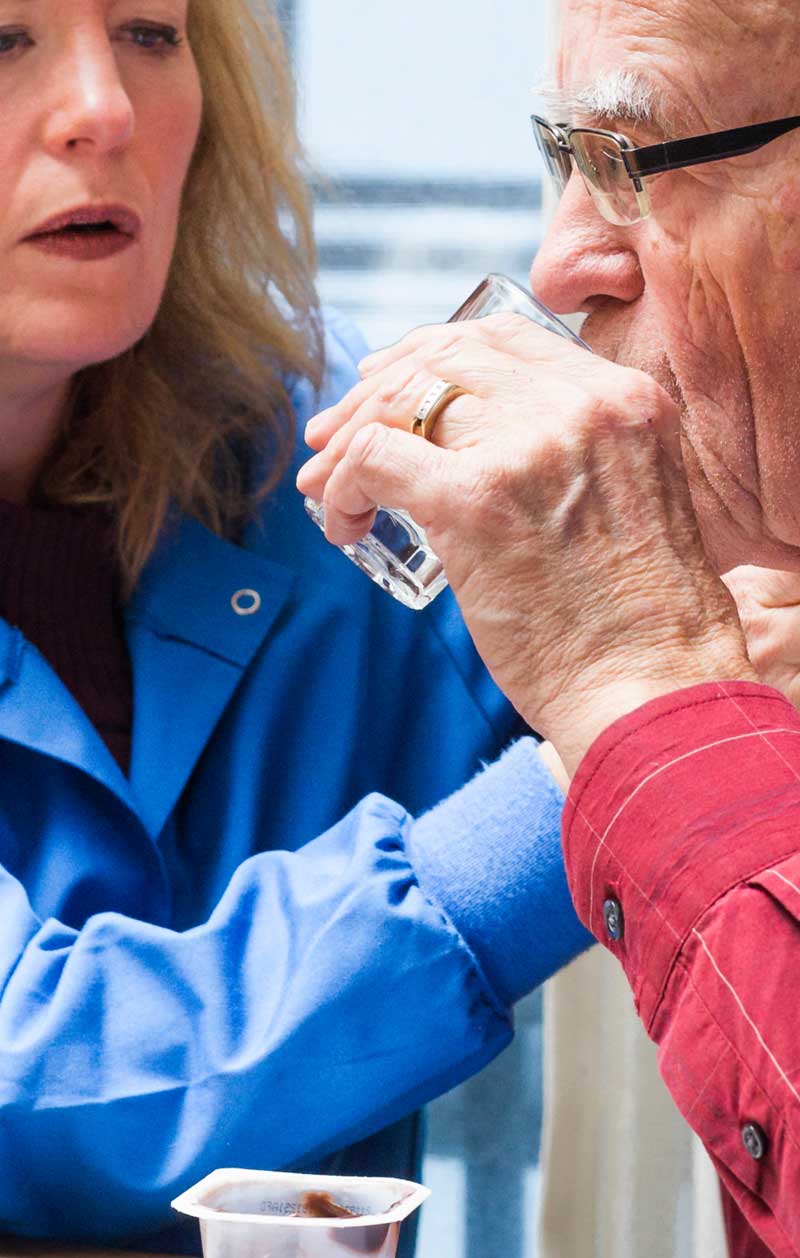
Caregivers frequently play a crucial role in monitoring and handling dysphagia among clients. This includes meal prep work, supervision throughout consuming, and recognizing indicators of distress.
Need for Specialized Training
Without proper training, caregivers may not recognize the signs of dysphagia or execute secure feeding approaches. Reliable dysphagia care training enhances their competency and self-confidence in dealing with such situations.
From Theory to Technique: Engaging Dysphagia Training for Carers
Engaging dysphagia training programs connect the space in between theoretical expertise and real-life application. These programs are created to give functional abilities while gearing up caretakers with evidence-based techniques to manage dysphagic people effectively.
Components of an Efficient Dysphagia Training Course
Curriculum Development
The curriculum should cover necessary topics such as:
- Anatomy and physiology of swallowing Assessment techniques for dysphagia Safe feeding practices Emergency response procedures
Interactive Knowing Methods
Utilizing interactive approaches like role-playing situations or simulation workouts aids strengthen knowing by enabling participants to exercise their abilities in a secure environment.
Incorporating Modern technology into Training
Online modules and video tutorials can strengthen conventional training techniques by supplying versatile learning options that satisfy different understanding styles.
Essential Abilities Covered in Dysphagia Care Training
Recognizing Signs of Dysphagia
Training ought to concentrate on identifying usual indications such as coughing during dishes or problems of discomfort while swallowing.
Safe Feeding Techniques
Caregivers discover how to change food textures and apply ideal positioning techniques that reduce choking risks.
Dysphagia Training Programs Available Today
There are various courses offered today focused on improving skills appropriate to dysphagic care:
Online programs concentrating on theory. Hands-on workshops stressing sensible applications. Specialized components developed for registered nurses involved in direct patient care.Dysphagia Training for Registered nurses: An Unique Perspective
Nurses play an indispensable part in handling people with dysphagia. Specialized training can boost their capacity to examine risks and implement intervention approaches effectively.
Best Practices in Delivering Engaging Dysphagia Training
Utilizing Real-Life Scenarios
Presenting study from real-life experiences makes it possible for individuals to go over difficulties they might deal with when caring for individuals with dysphasia.

Encouraging Peer Interaction and Feedback
Creating a collective environment enables students to share understanding and experiences while promoting a supportive network among carers.

Measuring the Effect of Interaction Approaches in Training
Assessment Tools for Examining Effectiveness
Implementing pre-and post-training assessments can gauge knowledge gains properly while showing locations needing improvement.
Long-term Follow-up Programs
Establishing follow-up sessions makes certain that caretakers continue exercising their learned abilities within their roles over time.
Challenges Encountered Throughout Dysphasia Care Educating Implementation
While appealing training is vital, a number of challenges might arise:
Resistance from team who regard training as unnecessary. Time restrictions impacting participation rates.Addressing these issues through effective communication methods is important for successful implementation.
FAQs regarding Engaging Dysphasia Training for Carers
What is the duration of a regular dysphoria training course?- Most courses vary from half-day workshops to full-week programs relying on depth.
- Caregivers, taking care of team, relative involved in taking care of individuals with dysplasia need to attend these trainings.
- Yes! On-line training courses permit adaptability however ought to be supplemented with functional hands-on experiences.
- Symptoms consist of coughing during meals, extreme salivating, or difficulty chewing/swallowing.
- It's advised every 1-2 years as a result of evolving finest techniques in healthcare.
- Many training courses provide certifications which can add value expertly but check private program offerings.
Concluding Thoughts on Involving Dysphaia Training
In conclusion, reliable interaction via well-structured dysphaia training programs encourages carers with essential abilities required for supplying high quality assistance. As awareness proceeds growing about one-of-a-kind obstacles postured by this problem-- spending resources into comprehensive education becomes extremely important towards improving patient end results-- making certain those impacted receive ideal treatment tailored especially according their requirements whilst boosting total well-being across varied populations globally!
This long-form article offers understandings into engaging dysaphgia training methods tailored especially toward carers stressing its value in addition to attending to usual inquiries surrounding such initiatives!